We build label-free microscopes and the computation behind them: holographic instruments, reconstruction algorithms, and optical systems that do part of the processing in light itself.
Each theme below has its own page with the key papers, funding and, where we have them, videos and interactive demos.
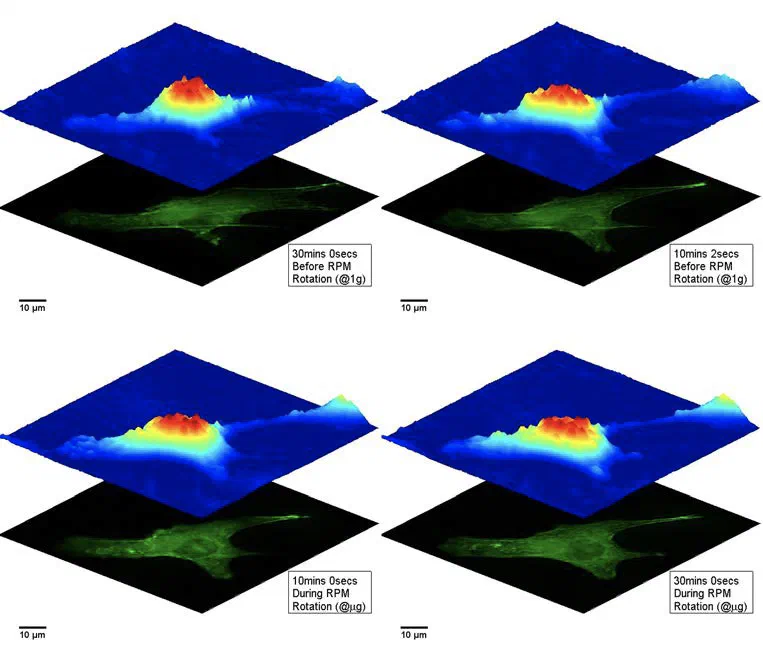
A transparent cell barely changes how bright light is, but it does delay it. Off-axis digital holographic microscopy records that delay as interference fringes and turns it into a phase map sensitive to nanometre changes in optical thickness.
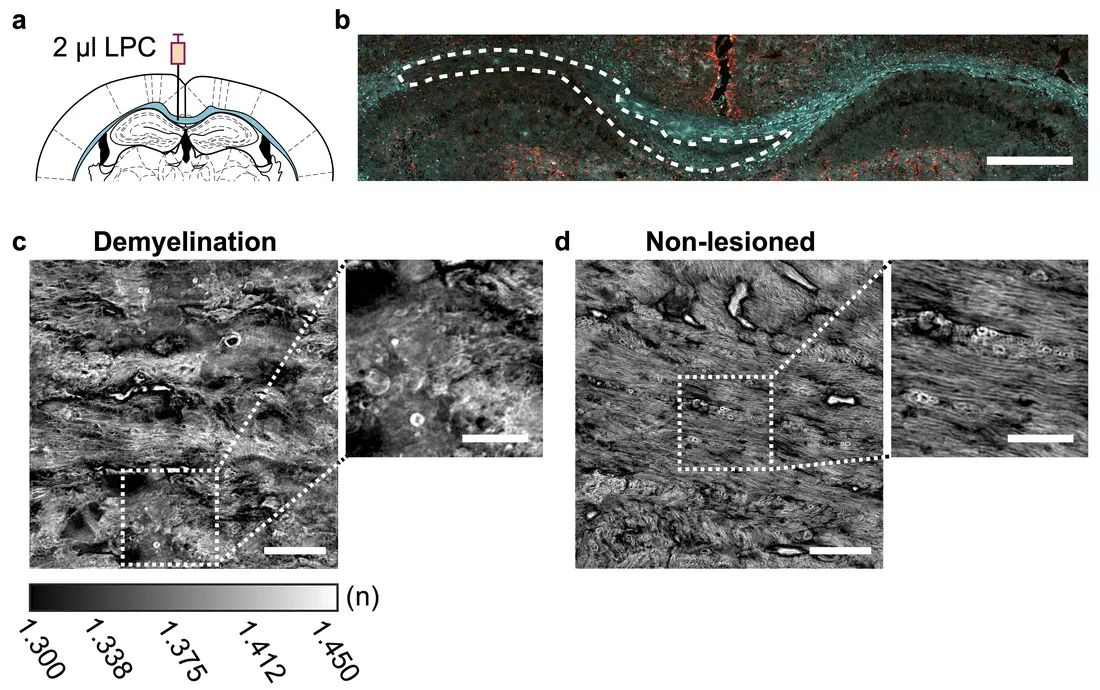
Recording holograms from many illumination angles lets us reconstruct the 3D refractive index of a specimen, from nanoscale structures in living neurons to myelin in brain tissue, without any stain.
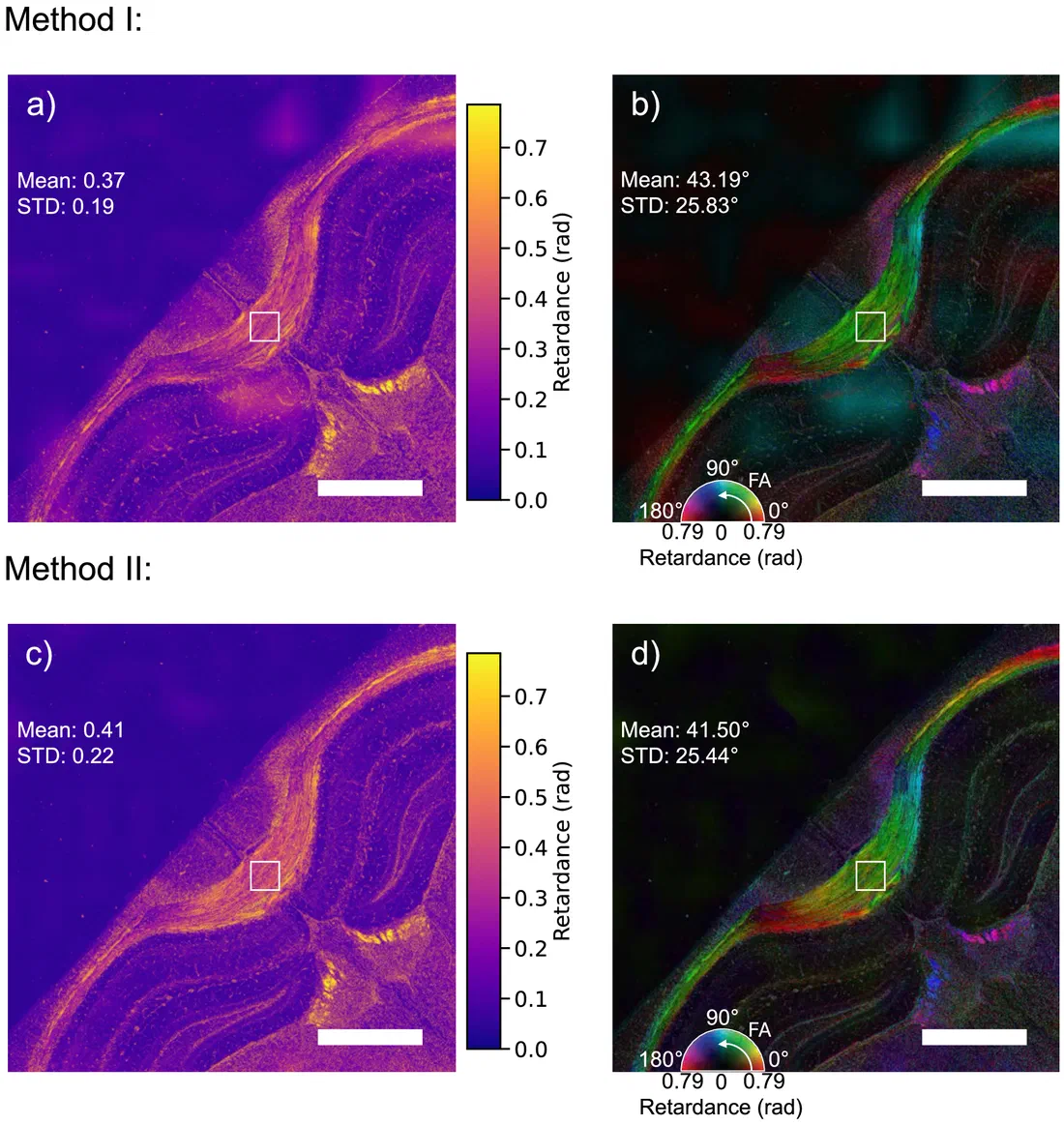
Many biological structures, from collagen to myelin, are birefringent. Our polarization holographic microscope recovers the full Jones matrix of a sample from two camera exposures, giving maps of retardance and fast-axis orientation.
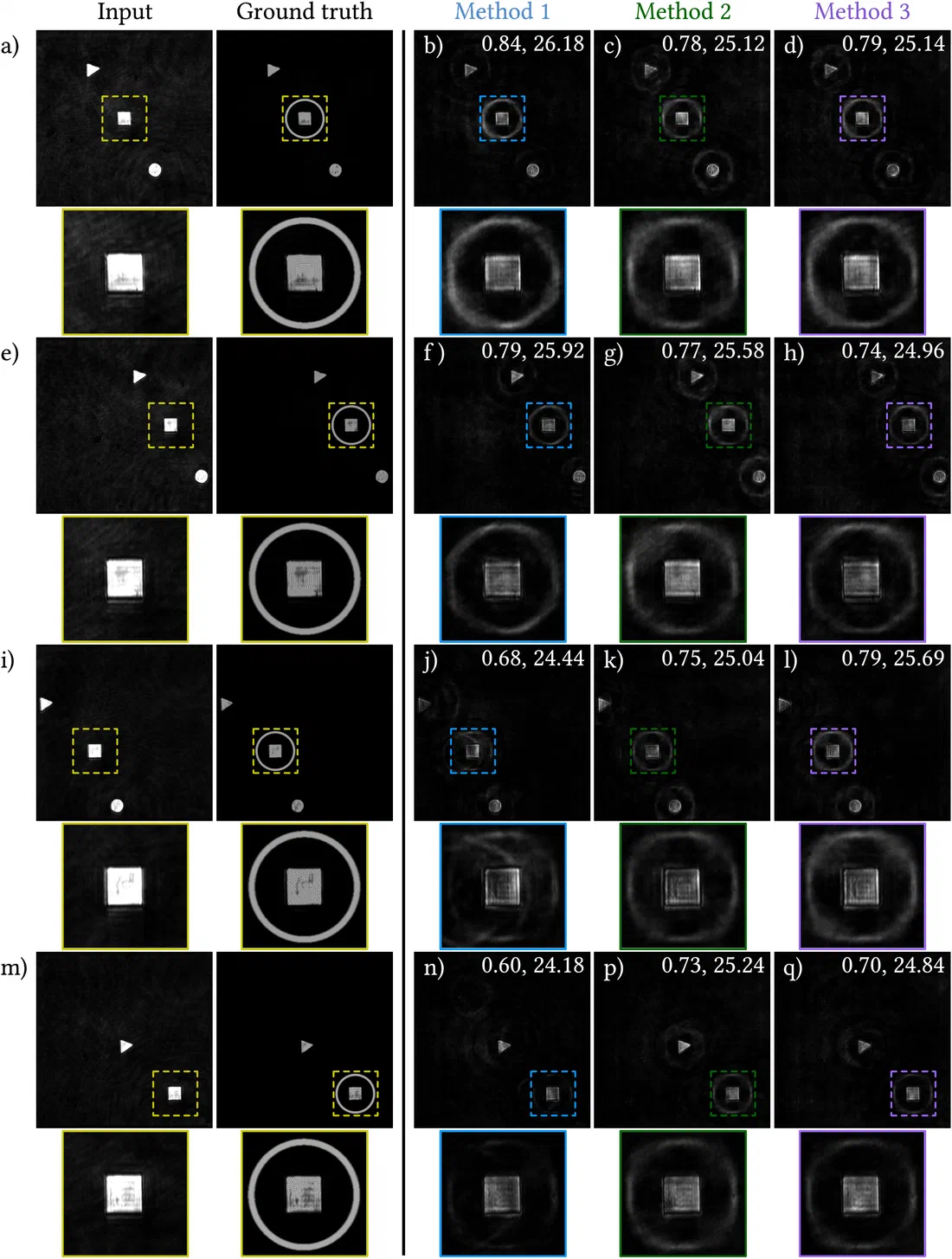
Instead of processing images on a computer afterwards, we let the optics do part of the work. An optimised phase pattern on a spatial light modulator highlights selected targets directly in the live view of a microscope.
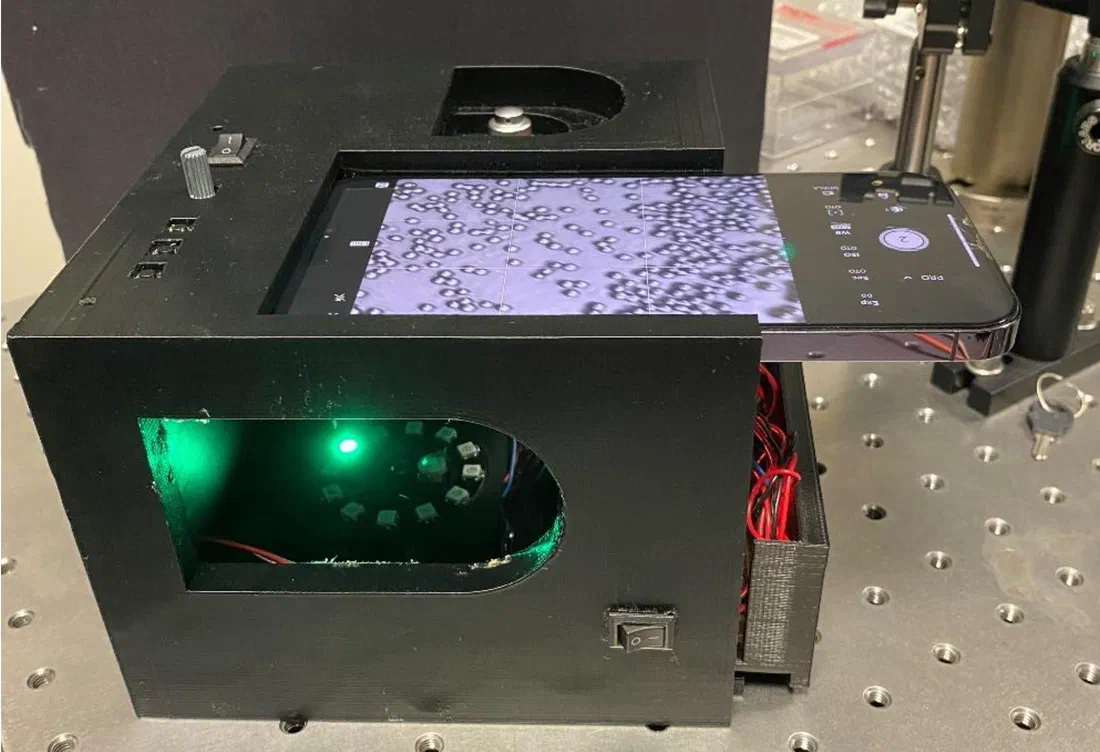
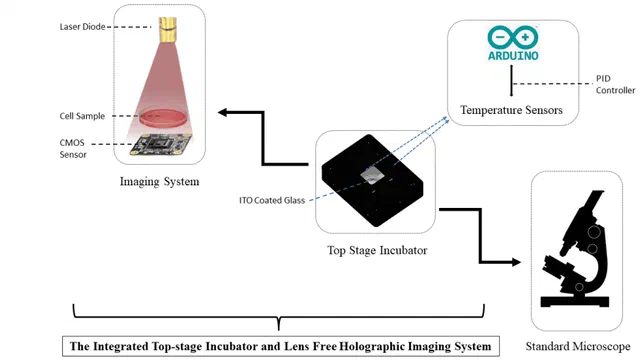
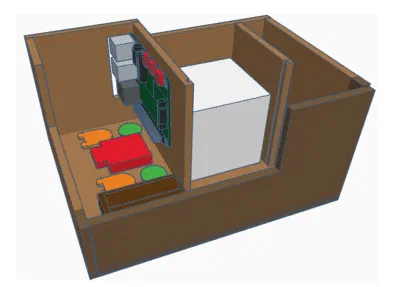
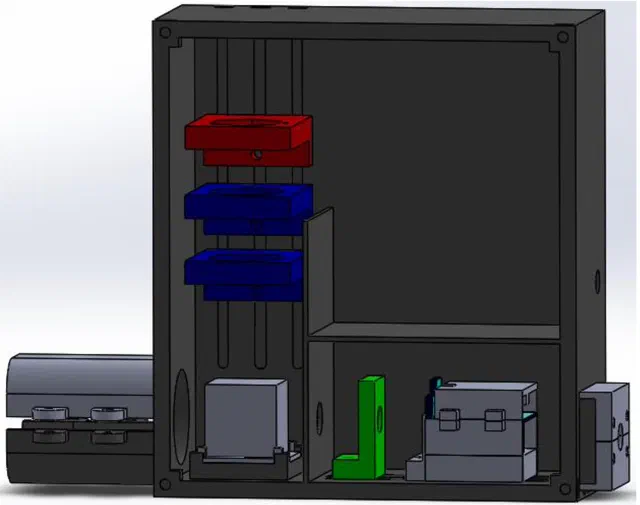
We design hardware that brings quantitative imaging closer to where it is needed, from incubator-integrated holographic imaging to compact spectrometers and microscope autofocus.
Our optical lab at Istanbul Medipol University, Kavacık campus, has the sources, modulators, detectors and microscopes we need to build and test holographic instruments, from single components up to complete microscopes.